← Toate temele

Depresie

Tristețe persistentă, lipsa energiei și a motivației.

106 articole
Definiții și semne precoce · în curândGhiduri practice · în curândTeste orientative · în curândResurse pentru specialiști · în curând
StudiuDepresieÎncredere înaltă30.06.2026

Depression and Apathy: Examining an Overlooked Dimension in Major Depressive Disorder

This study examines apathy as a frequently underrecognized feature of major depressive disorder in 154 outpatients, finding apathy present in 48% of the sample and associated with higher depression severity, lower cognitive function, and reduced quality of life. The research identifies specific depressive symptoms—inability to feel and loss of interest—as the strongest predictors of apathy, suggesting it represents a distinct clinical dimension warranting greater clinical attention.

StudiuDepresieÎncredere înaltă30.06.2026

Dissociating Apathy, Depression and Anhedonia: A Machine Learning Analysis of Core Distinguishing Features

This study analyzed data from 4,578 participants across seven datasets to identify core symptoms that differentiate apathy, depression, and anhedonia, which are clinically overlapping conditions. Using machine learning and validated assessment scales, researchers identified a robust five-factor structure revealing three distinct apathy domains (behavioral, social, emotional) separate from depression and anhedonia, with 10 core symptoms achieving >90% accuracy in differentiating pure syndromes.

StudiuDepresieÎncredere înaltă30.06.2026

Electroconvulsive Therapy for Depression Alters Mitochondrial Serum Metabolites

This study examined whether ECT—a highly effective treatment for severe, treatment-resistant depression—changes mitochondrial metabolism by measuring serum metabolites in 102 patients across three time points using NMR spectroscopy. ECT induced both acute metabolic changes (increased citrate, glucose, glutamine, pyruvate; decreased formate, phenylalanine) and sustained shifts in energy metabolism (increased alanine/pyruvate, decreased ketone bodies), with ketone body reduction associated with clinical improvement.

StudiuDepresieÎncredere înaltă30.06.2026

Tocilizumab versus Placebo for Treatment-Resistant Depression with Low-Grade Inflammation: A Randomized Triple-Blind Clinical Trial Protocol

This proof-of-concept trial examines whether IL-6 inhibition via tocilizumab can improve depressive symptoms and cognitive function in adults with treatment-resistant major depression who have elevated inflammation markers. The study randomizes 22 patients to a single tocilizumab infusion or placebo with follow-up assessments at days 7, 14, and 28, using healthy controls as biomarker comparators.

StudiuDepresieÎncredere bună30.06.2026

Home-based transcranial direct current stimulation for major depressive disorder in lumbar spine surgery candidates: A prospective feasibility study protocol

This protocol describes a feasibility study of home-based transcranial direct current stimulation (tDCS) as a treatment for major depressive disorder in patients undergoing elective lumbar spine surgery. The study evaluates the practical implementation and potential benefits of non-invasive brain stimulation in this clinical population.

StudiuDepresieÎncredere bună30.06.2026

The Relevance of Phenotypic Definition in Treatment Resistant Forms of Major Depressive Disorder: A Narrative Review

This narrative review examines how precise phenotypic characterization of treatment-resistant depression (TRD) can improve clinical outcomes and guide therapeutic interventions. The authors analyze current definitional frameworks and evidence-based approaches to identifying and managing patients with depression that has not responded to standard pharmacological treatments.

StudiuDepresieÎncredere bună30.06.2026

Gut Microbiome Diversity in Malaysian Patients with Major Depressive Disorder: A Cross-Sectional Study Protocol

This study protocol examines gut microbiota composition differences between Malaysian patients with major depressive disorder (in monotherapy and polypharmacy groups) and healthy controls using 16S rRNA gene sequencing. The research aims to fill knowledge gaps about how microbial metabolites influence mood and behavior in the Malaysian population.

StudiuDepresieÎncredere înaltă29.06.2026

Real-World Treatment Modalities and Healthcare Costs in Newly Diagnosed Major Depressive Disorder

This health services research study analyzed treatment patterns, healthcare utilization, and costs among commercially insured US patients with newly diagnosed major depressive disorder, comparing pharmacologic, nonpharmacologic, combination, and no treatment approaches. The study examined associations between patient/provider characteristics and treatment selection while measuring healthcare resource use and economic outcomes over a 2-year follow-up period.

PresăDepresieÎncredere bună28.06.2026

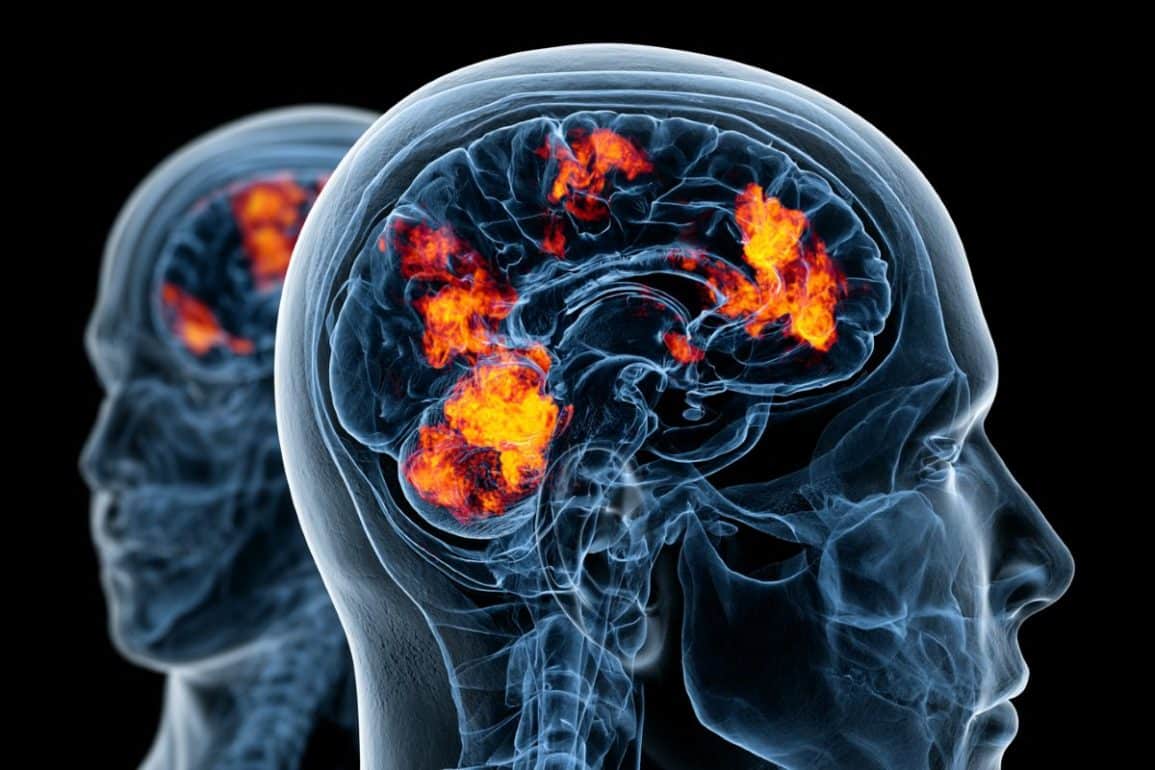
Large MRI analysis uncovers brain-region thinning tied to depression

This study uses MRI to investigate structural brain changes associated with major depressive disorder, examining cortical thinning patterns across brain regions. The research contributes to understanding the neurobiological mechanisms underlying depression, moving beyond symptom description toward identifying neural signatures of the condition.

StudiuDepresieÎncredere bună27.06.2026

Active versus Sham Transcranial Pulsed Electromagnetic Field Treatment for Major Depression: Protocol for a Double-Blinded Randomised Trial

This protocol describes a double-blinded, sham-controlled randomised trial evaluating transcranial pulsed electromagnetic field (T-PEMF) treatment delivered via a MoodHeadBand for patients with moderate to severe depression who have not responded to conventional therapies. The 8-week study measures depressive symptoms, cognitive function, and sleep quality using validated clinical instruments in 96 participants.

StudiuDepresieÎncredere bună26.06.2026

Patient perspectives on challenges and opportunities in discussing and managing anhedonia in major depressive disorder: a focus group study

This qualitative study explores patient experiences and perspectives on anhedonia (loss of pleasure) as a symptom of major depressive disorder, examining barriers to discussion and management strategies. The research identifies patient-identified challenges and opportunities for improving clinical communication and treatment approaches for this core depressive symptom.

StudiuDepresieÎncredere înaltă26.06.2026

Effects of Antidepressants on Insulin Resistance in Major Depressive Disorder: A Systematic Review

This systematic review evaluates how different antidepressant classes affect insulin resistance, a metabolic complication common in depression. Tricyclic antidepressants (nortriptyline, amitriptyline, imipramine) worsen insulin sensitivity, while SSRIs and SNRIs appear metabolically neutral; bupropion and agomelatine show potential metabolic benefits in diabetic patients.

StudiuDepresieÎncredere înaltă26.06.2026

Three-arm randomised controlled trial of text message reminders and financial incentives to improve antidepressant adherence in primary care depression

This study protocol describes a randomised controlled trial comparing two adherence support strategies (daily text messages with and without financial incentives) against usual care for adults newly prescribed antidepressants in primary care settings. Primary outcomes measure depression symptom response at 12 weeks using the PHQ-9 scale, with secondary outcomes assessing adherence rates at 6 and 12 weeks via wireless pill monitoring.

StudiuDepresieÎncredere bună26.06.2026

Feasibility of diagnosing major depressive disorder with a panel of serum and urine biomarkers

This study tested a machine learning model combining 34 serum and urine biomarkers to objectively diagnose major depressive disorder in 160 patients and 120 controls. The biomarker diagnostic model achieved good internal discrimination (AUC 0.81) but showed moderate performance in internal-external validation (AUC 0.62-0.72), suggesting potential clinical utility pending further validation.

StudiuDepresieÎncredere bună26.06.2026

Distinct Trajectories of Amygdala Connectivity Patterns Characterize Remission vs. Non-Remission in Major Depressive Disorder

A longitudinal fMRI study tracked 48 patients with major depressive disorder over 8 weeks to identify neural biomarkers of treatment response, finding differential amygdala-supplementary motor area connectivity patterns between those who remitted versus those who did not respond to antidepressants. While baseline connectivity correlated with treatment outcomes and normalized with successful treatment, the findings require replication as they did not survive multiple comparisons correction.

StudiuDepresieÎncredere înaltă26.06.2026

Psychiatric Comorbidities Associated with Hormonal Contraceptive Use: A Scoping Review and Meta-Analysis (2014–2024)

This systematic scoping review synthesized evidence from 46 studies (2014–2024) on associations between hormonal contraceptive use and psychiatric outcomes. Meta-analysis found small but statistically significant increases in depressive symptoms with progestin-only methods (RR=1.24) and inconsistent evidence for anxiety and suicidality, with high heterogeneity across studies highlighting the need for individual risk assessment.

PresăDepresieÎncredere bună25.06.2026

Personalized fMRI-Guided Accelerated TMS Shows Higher Response Rates in Depression Treatment

Research demonstrates that using personalized fMRI resting-state scans to target transcranial magnetic stimulation (TMS) increases depression response rates to 80%, compared to 60% with standard scalp-based targeting. The accelerated protocol offers potential faster treatment timelines (one week) for patients with treatment-resistant depression.