Informație de încredere. Sprijin real.

Ai întrebări despre autism, ADHD, anxietate sau depresie? Găsești ghiduri clare, verificate de specialiști. Acum, acces gratuit.

Spațiu publicitar disponibil — bannerul mare de susSpațiu publicitar disponibil — bannerul mare de sus

Explorează temele

Caută tot →

Sănătate mintală și neurodezvoltare

Afecțiuni neurologice

Evaluare Psihologica

Ca stim de unde pornim

Programeaza o evaluare

Articole și ghiduri recomandate

PresăAdicțiiÎncredere bună19.06.2026

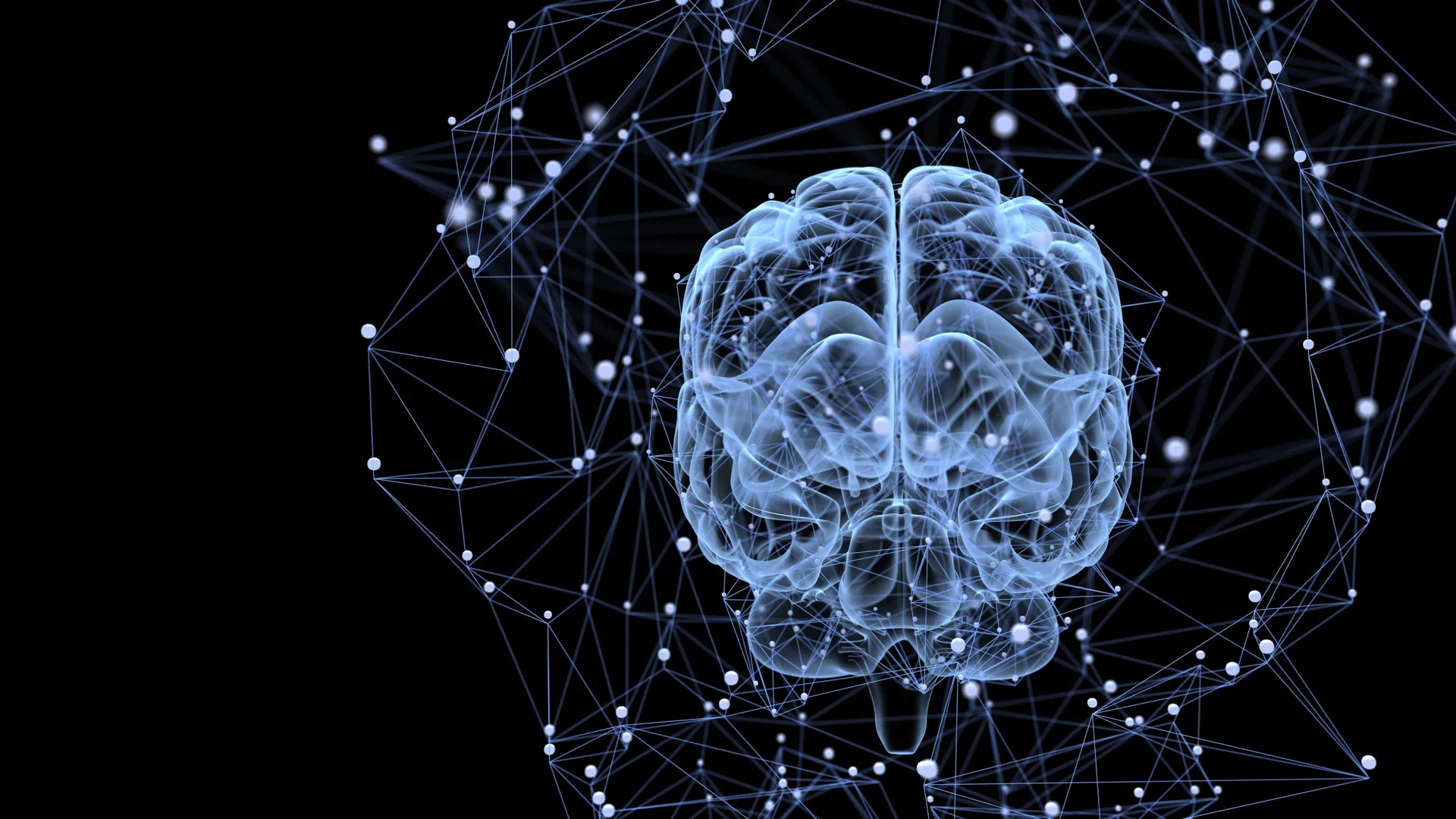
Scientists discover the brain protein that drives cocaine relapse

Cocaine addiction involves lasting biological changes rather than willpower failure, with repeated use rewiring communication between the brain's reward system and hippocampus. The protein DeltaFosB accumulates with drug use and acts as a genetic switch, altering neuronal function and strengthening the drive to seek cocaine.

PresăAdicțiiÎncredere bună19.06.2026

Social drinking as a pathway to alcohol use disorder

The article challenges the stereotype of alcoholism as solitary drinking, highlighting how social drinking contexts can contribute to the development of alcohol use disorder. It emphasizes the underappreciated social origins of serious alcohol problems.

PresăAdicțiiÎncredere bună19.06.2026

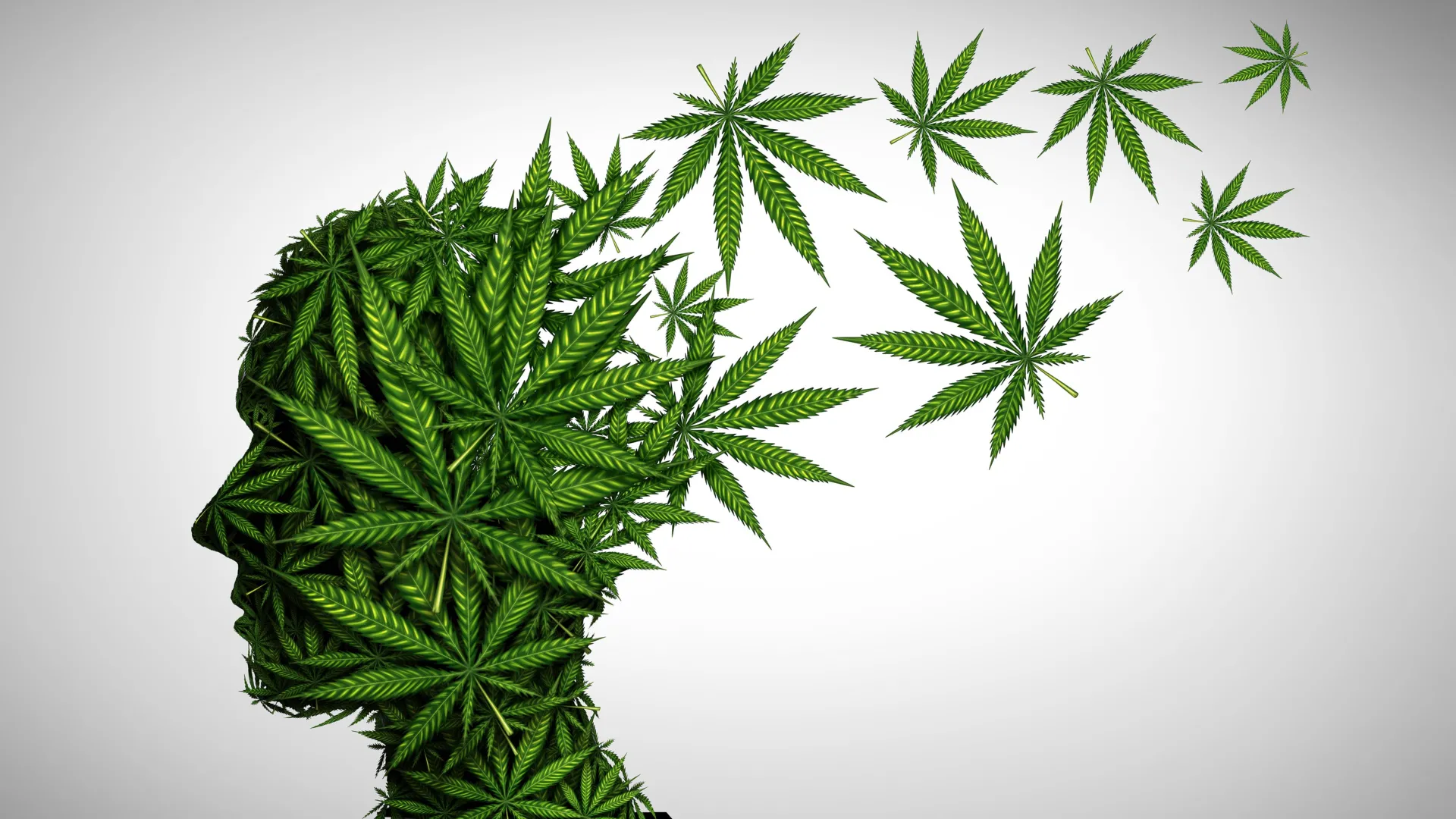
Is cannabis safe after 65? Stanford experts reveal 5 risks older adults should know

Stanford Medicine specialists document increased risks of cannabis use in adults over 65, including cardiovascular problems, falls, memory impairment, drug interactions, and addiction potential. The article notes that modern cannabis potency is often underestimated by older users who may be unfamiliar with current products.

PresăAdicțiiÎncredere bună19.06.2026

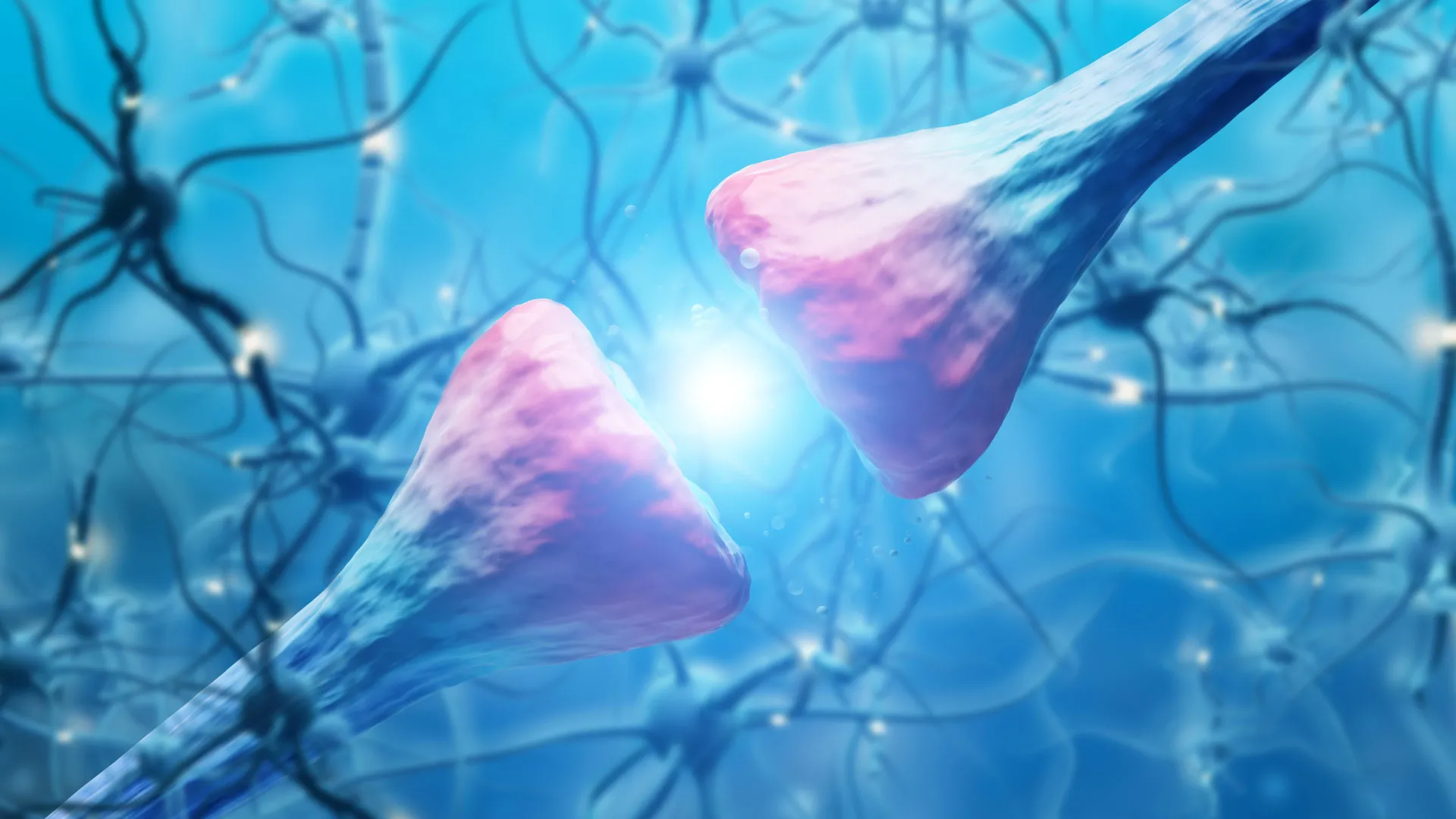
How Brain Protein KCC2 Modulates Cue-Reward Learning and Habit Formation

Research demonstrates that fluctuating levels of the brain protein KCC2 influences how environmental cues become associated with rewards, affecting the speed and strength of habit development. This mechanism involving dopamine neuron firing provides insight into both normal habit formation and addictive behavior pathways, with implications for understanding cravings triggered by everyday stimuli.