← Toate temele

Scleroză multiplă

Scleroza multiplă și viața cu aceasta.

71 de articole
Definiții și semne precoce · în curândGhiduri practice · în curândTeste orientative · în curândResurse pentru specialiști · în curând
PresăScleroză multiplăÎncredere bună30.06.2026

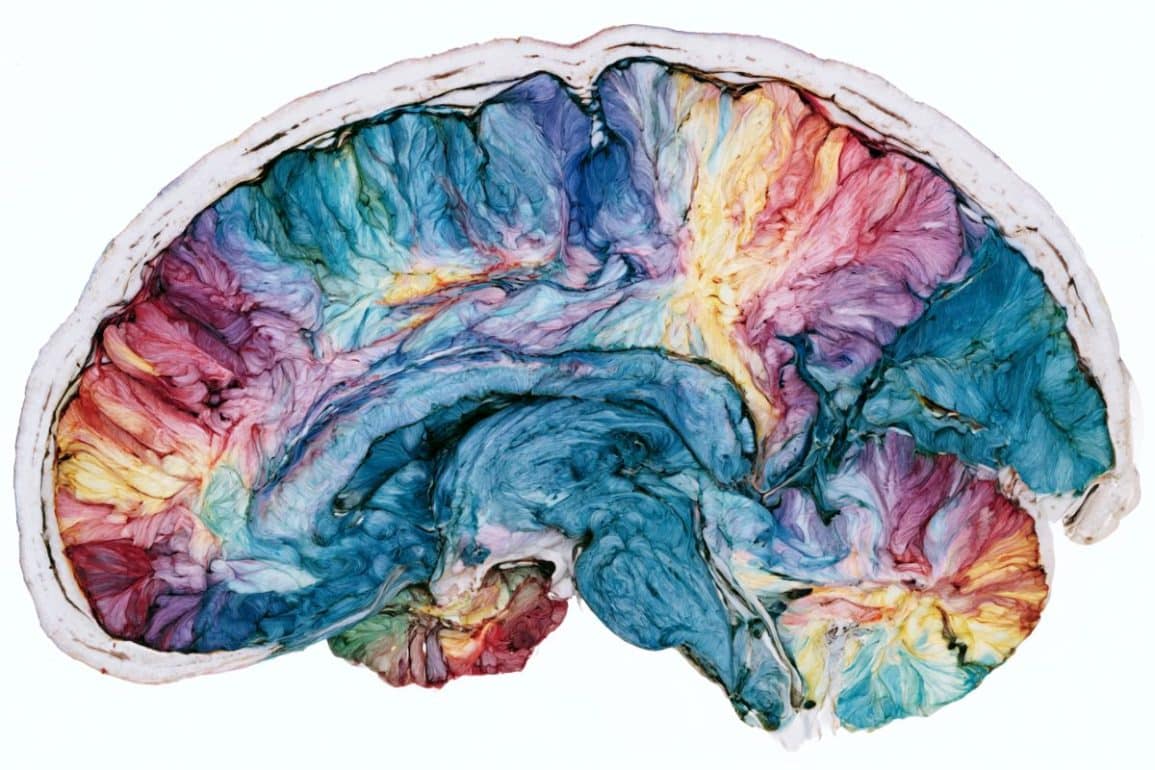
Brain Tissue Patterns and Genetics Drive MS Progression

A study of 287 MS brain tissue samples from the Netherlands Brain Bank identifies specific pathological features, including broad rim lesions and myelin repair failures, that explain variability in disease progression. Individual genetic backgrounds modulate these pathological processes, offering insights into why MS progresses differently among patients.

StudiuScleroză multiplăÎncredere înaltă29.06.2026

Potential biomarkers for multiple sclerosis stage from targeted proteomics and microRNA sequencing

This study investigates circulating proteins and microRNAs in cerebrospinal fluid and serum as potential biomarkers to differentiate MS disease subtypes and guide treatment decisions. Analysis of two cohorts identified 13 cerebrospinal fluid proteins and 10 serum proteins that differed between MS patients and controls, with 16 serum microRNAs distinguishing between relapsing-remitting and secondary progressive MS.

StudiuScleroză multiplăÎncredere înaltă29.06.2026

Frailty in Multiple Sclerosis: A Scoping Review of Prevalence, Clinical Associations, and Outcomes

This systematic scoping review identified 11 studies examining frailty in people with multiple sclerosis, finding frailty prevalence ranges from 17–66% with early onset compared to the general population. Higher disability levels, longer disease duration, and progressive MS subtypes were consistently associated with frailty, which also correlated with reduced walking performance, poor sleep quality, fatigue, and lower quality of life.

StudiuScleroză multiplăÎncredere înaltă28.06.2026

Fear of Relapse in Multiple Sclerosis: The Roles of Perfectionism and Intolerance of Uncertainty

This cross-sectional study of 222 RRMS patients examined how perfectionism and intolerance of uncertainty contribute to fear of relapse using validated psychological scales. Results showed perfectionism significantly predicts fear of relapse both directly and indirectly through intolerance of uncertainty, which mediates approximately 48% of this relationship.

StudiuScleroză multiplăÎncredere înaltă27.06.2026

Urodynamic Voiding Patterns in Multiple Sclerosis: Comparative Analysis of Diagnostic Indices

This study examined urodynamic voiding patterns in 97 MS patients with lower urinary tract symptoms, identifying sphincter dysfunction in 70% and detrusor underactivity in 23%. The research compared performance of six different diagnostic indices for assessing bladder contractility and obstruction, finding variable agreement between these parameters in this MS cohort.

StudiuScleroză multiplăÎncredere bună27.06.2026

Metabolomic Analysis of Fecal Samples in Multiple Sclerosis Patients: Identification of Differential Metabolites and Pathway Enrichment

A metabolomic study compared fecal metabolite profiles from 37 MS patients and 30 healthy controls using advanced mass spectrometry and multivariate statistical analysis to identify differential metabolites and their associated metabolic pathways. The research aims to reveal metabolic abnormalities associated with MS and provide insights into disease pathogenesis and potential therapeutic targets.

StudiuScleroză multiplăÎncredere bună27.06.2026

Commentary on Iron Accumulation in the Corpus Callosum: A Quantitative MRI Study in Relapsing-Remitting Multiple Sclerosis

This is a scientific commentary on research investigating iron accumulation patterns in the corpus callosum of patients with relapsing-remitting MS using quantitative magnetic resonance imaging. The study explores potential neuroimaging biomarkers that may contribute to understanding MS pathophysiology and disease progression.

StudiuScleroză multiplăÎncredere înaltă27.06.2026

EEG Functional Connectivity as a Neurophysiological Biomarker of Cognitive Function in Relapsing-Remitting Multiple Sclerosis

This study examined resting-state EEG connectivity patterns in 35 relapsing-remitting MS patients versus healthy controls, finding significant disruptions in alpha and beta band coherence and phase lag that correlated with cognitive impairment on the Paced Auditory Serial Addition Test. The findings suggest EEG-derived connectivity measures may serve as objective neurophysiological biomarkers for monitoring cognitive dysfunction in MS.

StudiuScleroză multiplăÎncredere înaltă27.06.2026

Pseudotumoral Multiple Sclerosis: Clinical and Imaging Characteristics in a Cohort Study

Pseudotumoral MS (PTMS) presents as large lesions (>2 cm) that mimic brain tumors on imaging but represent an aggressive MS variant. This retrospective study of 18 patients (83% female) with relapsing-remitting MS found delayed diagnosis in some cases, predominantly motor symptoms, and favorable long-term clinical improvement with standard MS treatment.

StudiuScleroză multiplăÎncredere bună27.06.2026

Testosterone in Relapsing–Remitting Multiple Sclerosis: A Case–Control Study

This case-control study investigates the relationship between testosterone levels and relapsing-remitting multiple sclerosis (RRMS), examining whether hormonal factors influence disease progression. The research uses a comparative methodology to evaluate testosterone's potential role in MS pathophysiology among affected and unaffected populations.

StudiuScleroză multiplăÎncredere bună26.06.2026

Circular RNAs: A New Approach to Multiple Sclerosis

This review examines the role of circular RNAs (a class of non-coding RNA) in multiple sclerosis pathogenesis, exploring how they regulate gene expression and immune function. CircRNAs influence neuroinflammation, neuronal damage, and microglial dysfunction, suggesting they could inform future diagnostic and therapeutic approaches to MS.

StudiuScleroză multiplăÎncredere bună23.06.2026

Machine Learning Analysis of Pupillary Light Reflex for Assessing Autonomic Dysfunction in Multiple Sclerosis

This study investigated pupillography combined with machine learning to detect autonomic dysfunction in patients with relapsing-remitting MS, achieving 85.7% accuracy on test data but lower performance (75% accuracy) on independent validation. The research demonstrates feasibility of pupil-based biomarkers for MS assessment while acknowledging generalizability challenges.

StudiuScleroză multiplăÎncredere înaltă23.06.2026

Residual cerebrospinal fluid inflammation persists during long-term natalizumab treatment in relapsing-remitting multiple sclerosis

This study measured 15 inflammatory biomarkers in cerebrospinal fluid from MS patients treated with natalizumab for varying durations, compared to untreated MS patients and healthy controls. While natalizumab significantly reduced most inflammatory markers, certain biomarkers including B cell maturation antigens and IL-10 remained elevated even after more than five years of treatment, suggesting incomplete suppression of intrathecal inflammation.

StudiuScleroză multiplăÎncredere înaltă23.06.2026

Adjunctive Dulaglutide in Relapsing-Remitting Multiple Sclerosis: A Randomized Open-Label Proof-of-Concept Trial

A 12-month randomized controlled trial evaluated dulaglutide (a GLP-1 receptor agonist) as adjunctive therapy alongside natalizumab in 28 patients with relapsing-remitting MS, measuring neurofilament light chain levels, brain MRI changes, and functional outcomes. Treatment with dulaglutide significantly reduced weight, BMI, and body fat while improving glucose tolerance and potentially showing neuroprotective effects.