Informație de încredere. Sprijin real.

Ai întrebări despre autism, ADHD, anxietate sau depresie? Găsești ghiduri clare, verificate de specialiști. Acum, acces gratuit.

Spațiu publicitar disponibil — bannerul mare de susSpațiu publicitar disponibil — bannerul mare de sus

Explorează temele

Caută tot →

Sănătate mintală și neurodezvoltare

Afecțiuni neurologice

Evaluare Psihologica

Ca stim de unde pornim

Programeaza o evaluare

Articole și ghiduri recomandate

PresăAutismÎncredere înaltă15.06.2026

Systematic review finds most alternative autism therapies lack reliable scientific evidence

A comprehensive scientific review examined hundreds of alternative autism treatments and found insufficient reliable evidence supporting popular approaches like probiotics, acupuncture, and music therapy. The analysis highlighted serious gaps in safety evaluation for many interventions, emphasizing the importance of scrutinizing the full body of research rather than relying on individual studies.
PresăAutismÎncredere bună15.06.2026

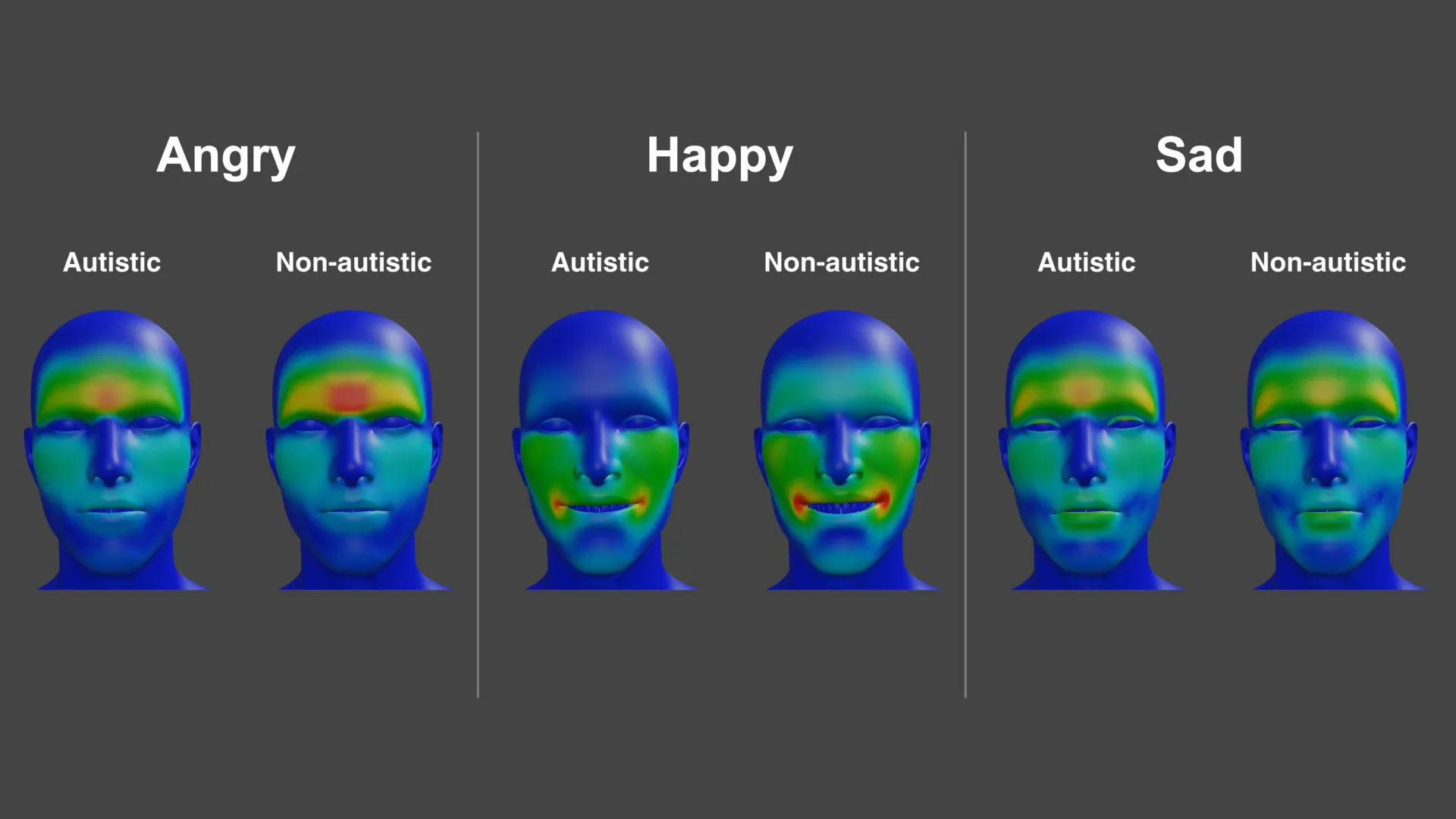
New research shows emotional expressions work differently in autism

Autistic individuals use distinct facial features and produce more varied emotional expressions compared to non-autistic people, which may appear unfamiliar to non-autistic observers. The findings suggest emotional misunderstandings are bidirectional rather than a one-sided autistic deficit.

PresăADHDÎncredere bună15.06.2026

The hidden health impact of growing up with ADHD traits

A decades-long prospective study of nearly 11,000 people found that children with strong ADHD traits at age 10 were significantly more likely to develop multiple physical health problems and health-related disability by mid-adulthood. The research demonstrates that ADHD-related difficulties extend beyond behavioral and educational domains to impact long-term physical health outcomes.

PresăAutismÎncredere bună15.06.2026

Scientists discover a brain signal that may trigger autism's domino effect

Researchers identified a molecular cascade involving nitric oxide that may contribute to some forms of autism by altering TSC2 protein and overactivating the mTOR pathway. The study suggests this signaling mechanism could explain how neuronal growth regulation becomes disrupted in certain autism presentations.

PresăAutismÎncredere bună15.06.2026

Brain Donation for Autism Research: Closing the Public Awareness Gap

A survey highlights that while most Americans recognize the importance of studying the autistic brain, few understand that brain donation after death is crucial for advancing this research. Brain donation operates separately from organ donation and many people are confused about the process, eligibility, and timing requirements.