← Toate temele

AVC și AIT

Accident vascular cerebral și recuperare, la orice vârstă.

64 de articole
← Toate secțiunile

Studii și știri

StudiuAVC și AITÎncredere înaltă30.06.2026

Subtle white matter intensity changes on FLAIR imaging in patients with ischemic stroke

This cross-sectional study of 100 acute ischemic stroke patients examined whether signal intensity in normal-appearing white matter on FLAIR MRI correlates with leukoaraiosis burden. Results showed that white matter signal intensity increased near leukoaraiosis borders and was independently associated with leukoaraiosis volume, suggesting structural abnormalities extend into apparently normal brain tissue.
StudiuAVC și AITÎncredere bună30.06.2026

Soluble Suppression of Tumorigenicity 2 as a Biomarker for Atrial Fibrillation Detected After Stroke: A Retrospective Clinical Study

This retrospective study of 970 stroke/TIA patients found that elevated sST2 levels independently predicted atrial fibrillation detection after stroke (AFDAS), with sST2 showing superior predictive value (AUC 0.815) compared to conventional risk factors. Adding sST2 to a conventional risk model significantly improved prediction accuracy for AFDAS in acute stroke patients.

StudiuAVC și AITÎncredere bună29.06.2026

Bimanual Arm Trainer versus Traditional Occupational Therapy for Upper Extremity Function After Stroke

A clinical trial compared the effectiveness of the Bimanual Arm Trainer device with standard occupational therapy in 27 stroke patients with upper extremity dysfunction. Both treatment groups showed significant improvements in arm function, with no statistically significant difference between the intervention and control groups, suggesting device-assisted therapy may provide comparable benefits to traditional therapy.

StudiuAVC și AITÎncredere bună28.06.2026

Prevalence of Familial Hypercholesterolemia in Stroke and Transient Ischemic Attack Populations: A Systematic Review and Meta-Analysis

This systematic review synthesizes evidence from four studies to estimate the prevalence of familial hypercholesterolemia (FH) in stroke and TIA patients, finding a pooled prevalence of 0.96% overall and 2.89% in large artery atherosclerosis strokes. The authors acknowledge significant heterogeneity between studies and conclude that while evidence suggests FH may be relevant to cerebrovascular disease beyond cardiology, more research is needed for firm quantitative conclusions.

PresăAVC și AITÎncredere bună27.06.2026

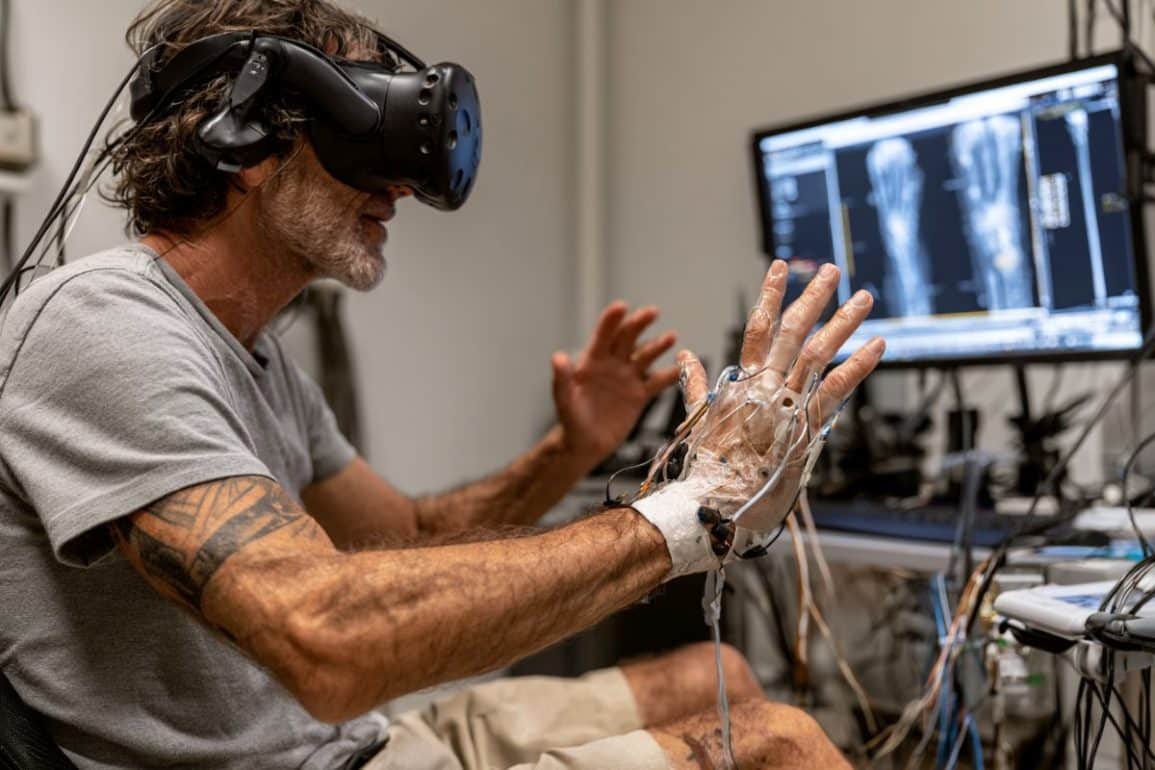
Hybrid VR and Nerve Stimulation Platform Doubles Stroke Recovery

A 'MultiSensy' platform combines immersive virtual reality with transcutaneous electrical nerve stimulation to improve motor recovery in chronic stroke patients. The approach reportedly achieves twice the upper limb motor recovery compared to conventional therapy by reintegrating movement sensation with motor control.

PresăAVC și AITÎncredere înaltă27.06.2026

VR Combined with Nerve Stimulation Improves Arm and Hand Function After Stroke

Researchers developed a rehabilitation platform combining virtual reality with targeted sensory nerve stimulation for stroke recovery. A randomized clinical trial published in Nature Medicine showed improvements in arm/hand function and tactile awareness, offering potential for more personalized rehabilitation beyond conventional therapy.

StudiuAVC și AITÎncredere înaltă27.06.2026

Liraglutide and Recurrent Stroke by Baseline Insulin Resistance: Post Hoc Analysis of the LAMP Trial

This post hoc analysis of a randomized controlled trial in China examined whether liraglutide (a GLP-1 receptor agonist) reduces stroke recurrence differently based on insulin resistance levels in patients with minor ischemic stroke or TIA and type 2 diabetes. Treatment efficacy varied significantly by insulin resistance status, with greater benefit observed in patients with elevated baseline insulin resistance.

StudiuAVC și AITÎncredere înaltă27.06.2026

Stroke in Autoimmune Rheumatic Diseases: Epidemiology, Mechanisms, and Management

Patients with autoimmune rheumatic diseases (such as lupus and vasculitis) have significantly elevated stroke risk 1.3-2.5 times higher than the general population, often occurring at younger ages due to systemic inflammation and immune-mediated vascular injury. This review synthesizes evidence on stroke pathophysiology, prevention strategies, and post-stroke rehabilitation outcomes specific to rheumatologic populations.

StudiuAVC și AITÎncredere bună25.06.2026

Economic Burden of Atherosclerotic Cardiovascular Disease in Italy: Focus on Stroke and Related Conditions

This health economics study analyzed administrative healthcare data from Italian regions to assess direct medical costs for patients with atherosclerotic cardiovascular diseases, including ischemic stroke and transient ischemic attack, along with acute coronary syndrome and peripheral arterial disease. Over a 2-year period, approximately 350,000 patients were hospitalized annually with average direct costs of €7,190 per patient, with hospitalizations comprising nearly 70% of total expenses.

PresăAVC și AITÎncredere înaltă24.06.2026

New imaging technique reveals brain's glymphatic waste-removal system in unprecedented detail

Duke University researchers developed a noninvasive imaging method to visualize the brain's glymphatic system, which removes metabolic waste. The technique enables examination of how this system is altered in conditions like ischemic stroke, aging, and anesthesia, with implications for understanding neurodegenerative diseases.

StudiuAVC și AITÎncredere înaltă23.06.2026

Early Anticoagulation in Acute Ischemic Stroke With Atrial Fibrillation

Early anticoagulation with non-vitamin K oral anticoagulants reduces recurrent ischemic stroke risk in acute ischemic stroke patients with atrial fibrillation, as confirmed by randomized controlled trials and meta-analyses. Safety concerns remain in high-risk subgroups including severe stroke, hemorrhagic transformation, and Asian populations who are underrepresented in clinical trial data.

StudiuAVC și AITÎncredere înaltă23.06.2026

Neuroplasticity after stroke: Adaptive and maladaptive mechanisms in evidence-based rehabilitation

This review examines how adaptive neuroplasticity promotes genuine motor recovery through neural reorganization, while maladaptive plasticity may reinforce compensatory patterns that limit functional restoration. Evidence supports intensive, repetitive, task-specific physiotherapy combined with emerging multimodal approaches (constraint-induced movement therapy, mirror therapy, robotic training, virtual reality, and non-invasive brain stimulation) as effective strategies to enhance stroke recovery.

StudiuAVC și AITÎncredere bună23.06.2026

Enhanced External Counterpulsation for Ischemic Stroke: Systematic Review and Meta-Analysis of Cerebral Blood Flow and Functional Outcomes

A meta-analysis of 15 studies (506 participants) evaluated enhanced external counterpulsation (EECP) as treatment for ischemic stroke, finding uncertain effects on cerebral blood flow but significant improvements in daily living activities, disability level, and neurological function. The study applies conservative statistical methods and acknowledges heterogeneity, indicating EECP may have clinical benefit despite unclear mechanisms.

StudiuAVC și AITÎncredere înaltă23.06.2026

Arterial Input Function Dispersal on CT Perfusion Associated with Cerebral Small Vessel Disease in Stroke Patients

This retrospective study of 369 acute ischemic stroke/TIA patients found that prolonged arterial input function dispersal on computed tomography perfusion correlates with higher burden of cerebral small vessel disease markers including white matter hyperintensities and microbleeds. Each 1-second increase in dispersal independently predicted increased odds of severe small vessel disease, suggesting cardiac hemodynamic dysfunction contributes to microvascular pathology in stroke.

StudiuAVC și AITÎncredere înaltă22.06.2026

Diagnostic Accuracy of the ROSIER Scale for Identifying Stroke and Transient Ischemic Attack in Emergency Settings: Systematic Review and Meta-Analysis

This meta-analysis of 34 studies evaluated the ROSIER scale's ability to identify stroke and TIA cases in emergency settings, finding sensitivity of 0.89 and specificity of 0.76 at a cutoff score of ≥1. Performance varied by setting and assessor type, with higher sensitivity in pre-hospital EMS/paramedic administration and higher specificity in emergency department physician/neurologist assessments.

StudiuAVC și AITÎncredere bună22.06.2026

Carotid Endarterectomy Timing in Acute Cerebrovascular Accident: Early versus Delayed Surgical Intervention

This meta-analysis of 11 clinical trials examined whether carotid endarterectomy (surgical removal of arterial plaque) performed within 14 days of stroke onset differs in safety and efficacy compared to surgery performed after 14 days. The analysis of over 5000 patients found no statistically significant differences in perioperative complications, recurrent stroke, or mortality rates between early and delayed surgical timing.

StudiuAVC și AITÎncredere bună22.06.2026

Association of Thyroid Peroxidase Antibody with RNF213 p.R4810K Variant in Ischemic Stroke and Transient Ischemic Attack

This multicenter study of 2,090 stroke/TIA patients examined whether elevated thyroid peroxidase antibody (TPO-Ab) levels are associated with the RNF213 p.R4810K genetic variant, known to increase vasculopathy risk. Variant carriers showed significantly higher TPO-Ab levels and increased frequency of elevated antibody titers, suggesting TPO-Ab may act as a second hit in RNF213-related stroke pathogenesis.